ViaanMishra.com

🚀 Space Mission Control

Go for launch.

The missions that changed everything — told with real photographs and real numbers. From the rocket taller than a 30-storey building to the lander that touched the Moon's south pole first.

Apollo 11 — real photograph
NASA1969

Apollo 11

First humans on the Moon

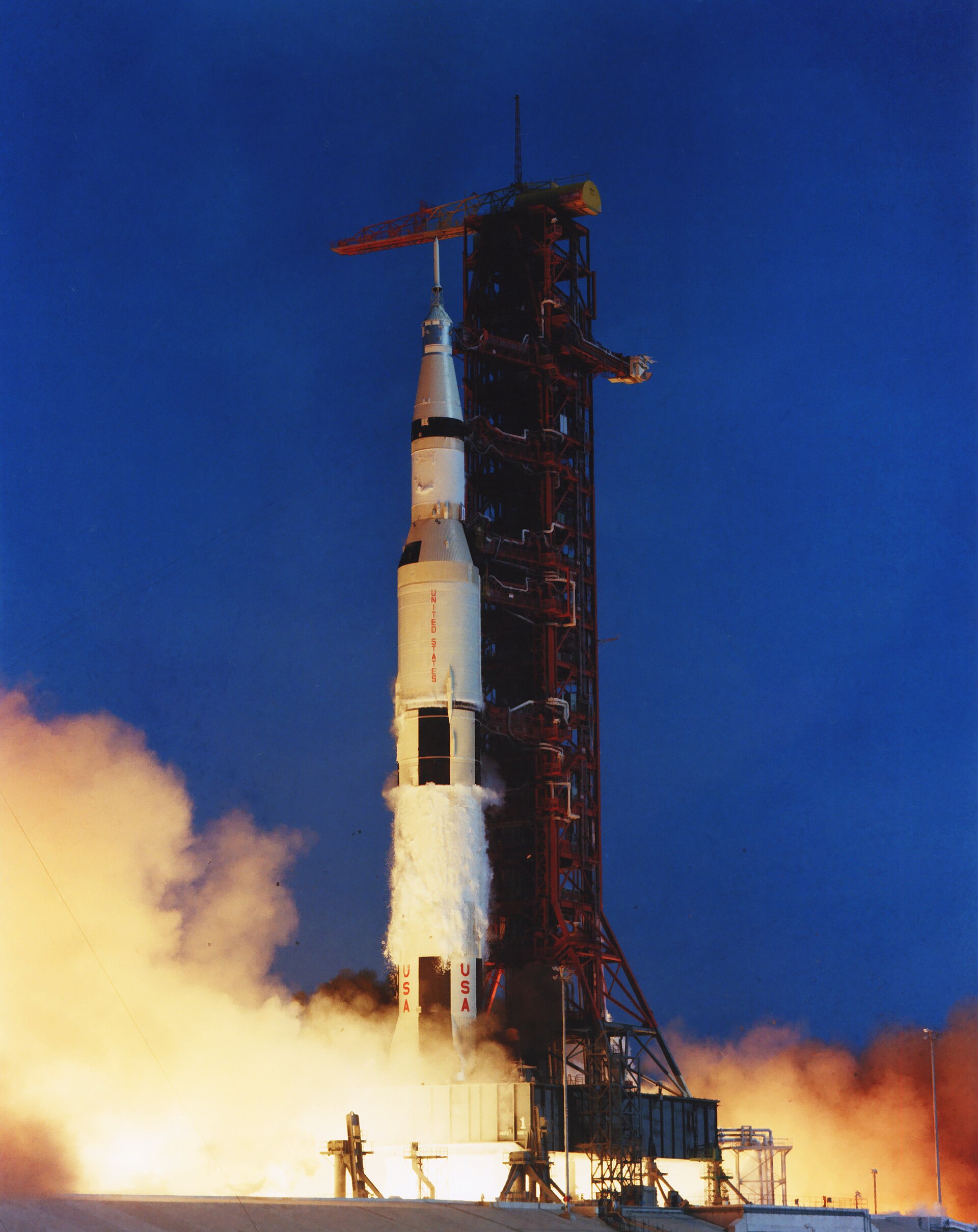
On 20 July 1969, Neil Armstrong and Buzz Aldrin landed the Eagle on the Sea of Tranquility while Michael Collins orbited above. About 600 million people watched on TV — the largest audience in history at the time.

Rocket
Saturn V — 110.6 m
Journey
384,400 km
On the Moon
21 h 36 min
Moon rock returned
21.6 kg
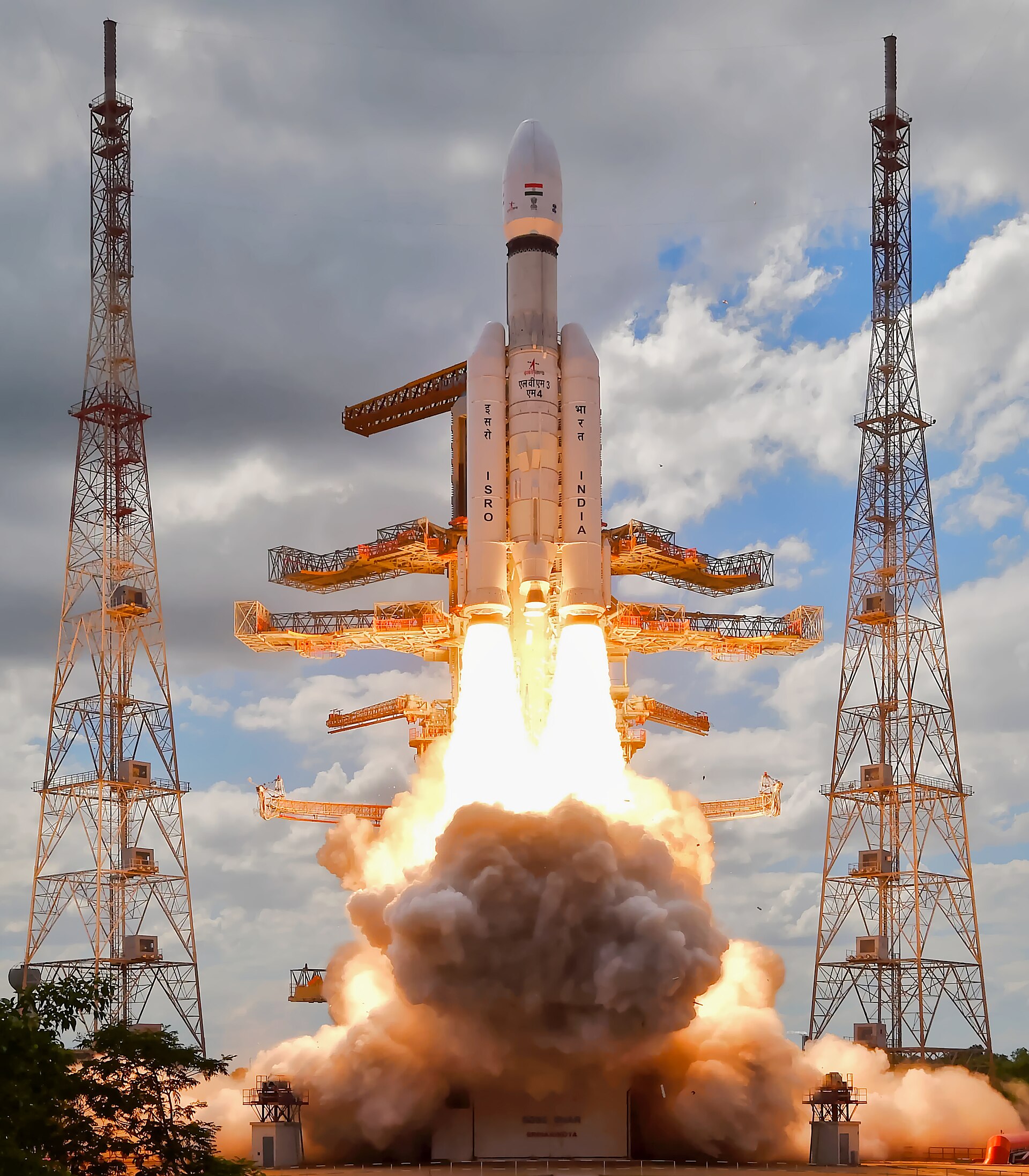
Chandrayaan-3 — real photograph
ISRO2023

Chandrayaan-3

First landing near the Moon's south pole

On 23 August 2023, the Vikram lander touched down where no spacecraft had ever landed — near the lunar south pole. The little Pragyan rover rolled out and explored a region that may hold water ice for future Moon bases. India became the fourth country to soft-land on the Moon, and the first to do it there.

Rocket
LVM3 (Bāhubali)
Landing
23 Aug 2023
Rover
Pragyan, 26 kg
Landing zone
~69° south
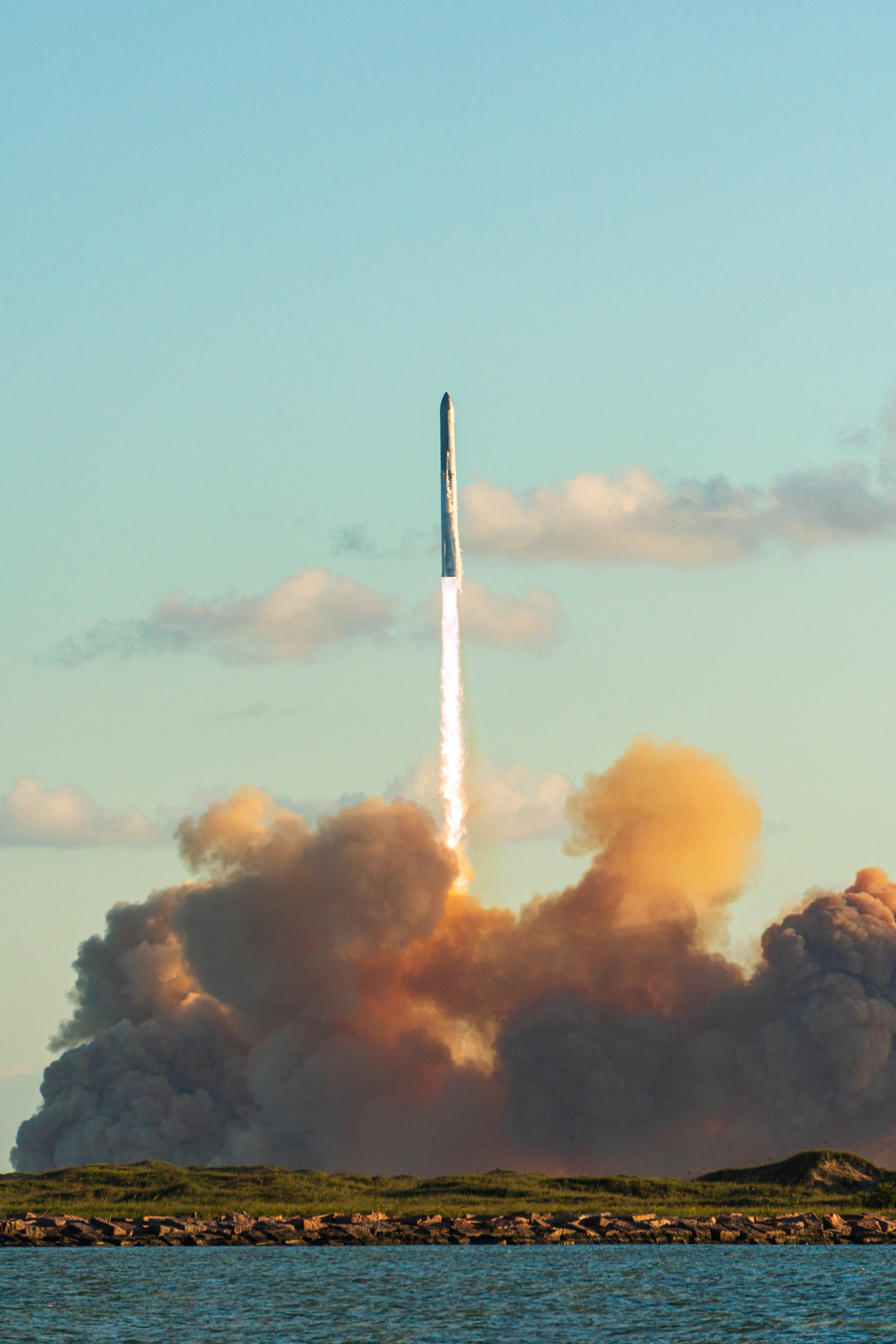
Starship — real photograph
SpaceX2023–

Starship

The most powerful rocket ever flown

Starship and its Super Heavy booster stand about 121 metres tall, powered by 33 Raptor engines — roughly twice the thrust of the Saturn V. It's designed to be fully reusable, and NASA has chosen a version of it to land Artemis astronauts on the Moon. SpaceX has even caught the returning booster with the launch tower's 'chopstick' arms.

Height
~121 m
Booster engines
33 Raptors
Thrust
~2× Saturn V
Goal
Moon, then Mars
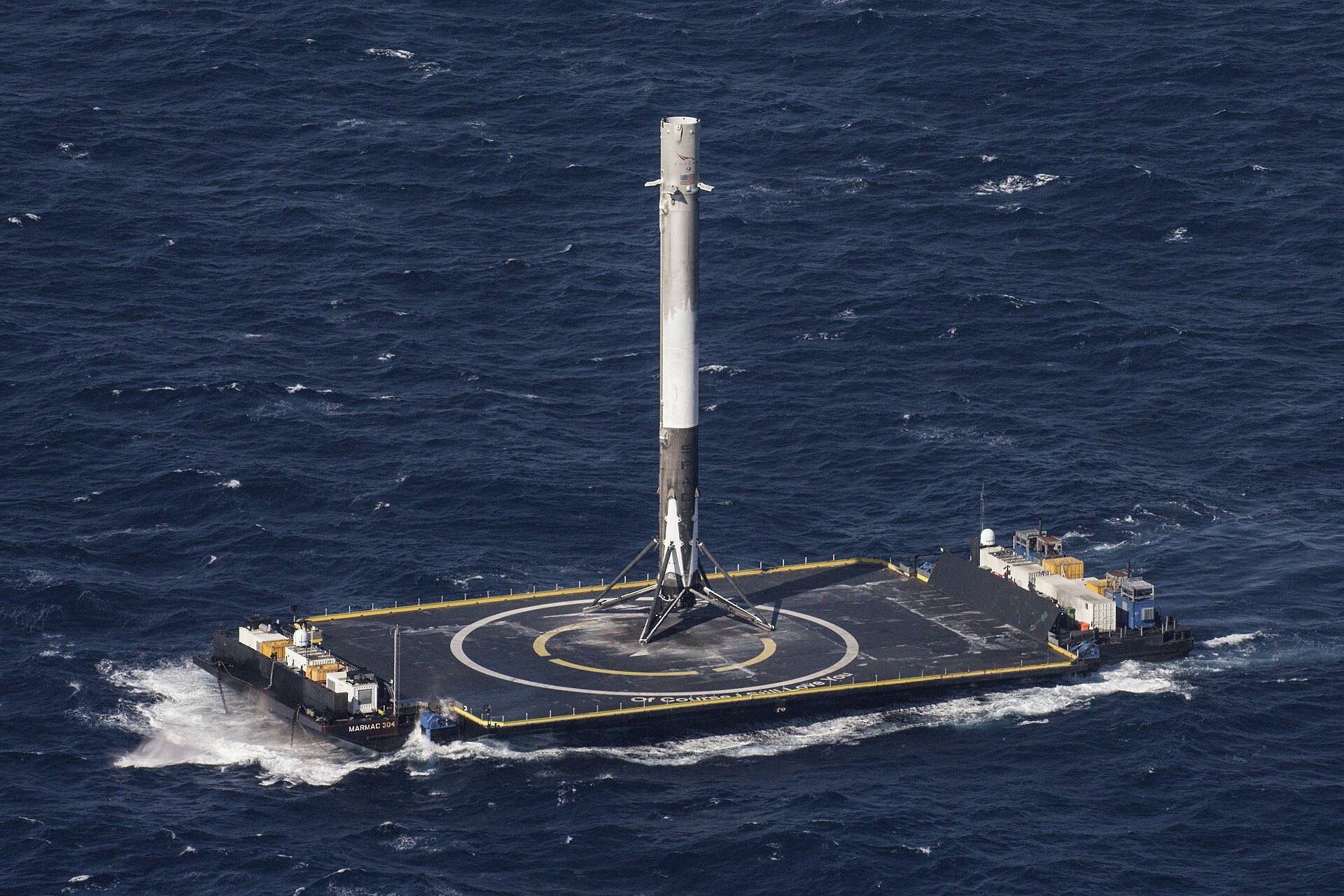
Falcon 9 — real photograph
SpaceX2010–

Falcon 9

The rocket that learned to land

Falcon 9's first stage flies to the edge of space, flips around, reignites its engines and lands upright — on land or on a drone ship at sea with names like 'Of Course I Still Love You'. Boosters have flown more than 20 missions each. Reusing rockets changed spaceflight forever.

First landing
Dec 2015
Most-flown booster
20+ flights
Landing legs
4
Also flies
Crew Dragon astronauts
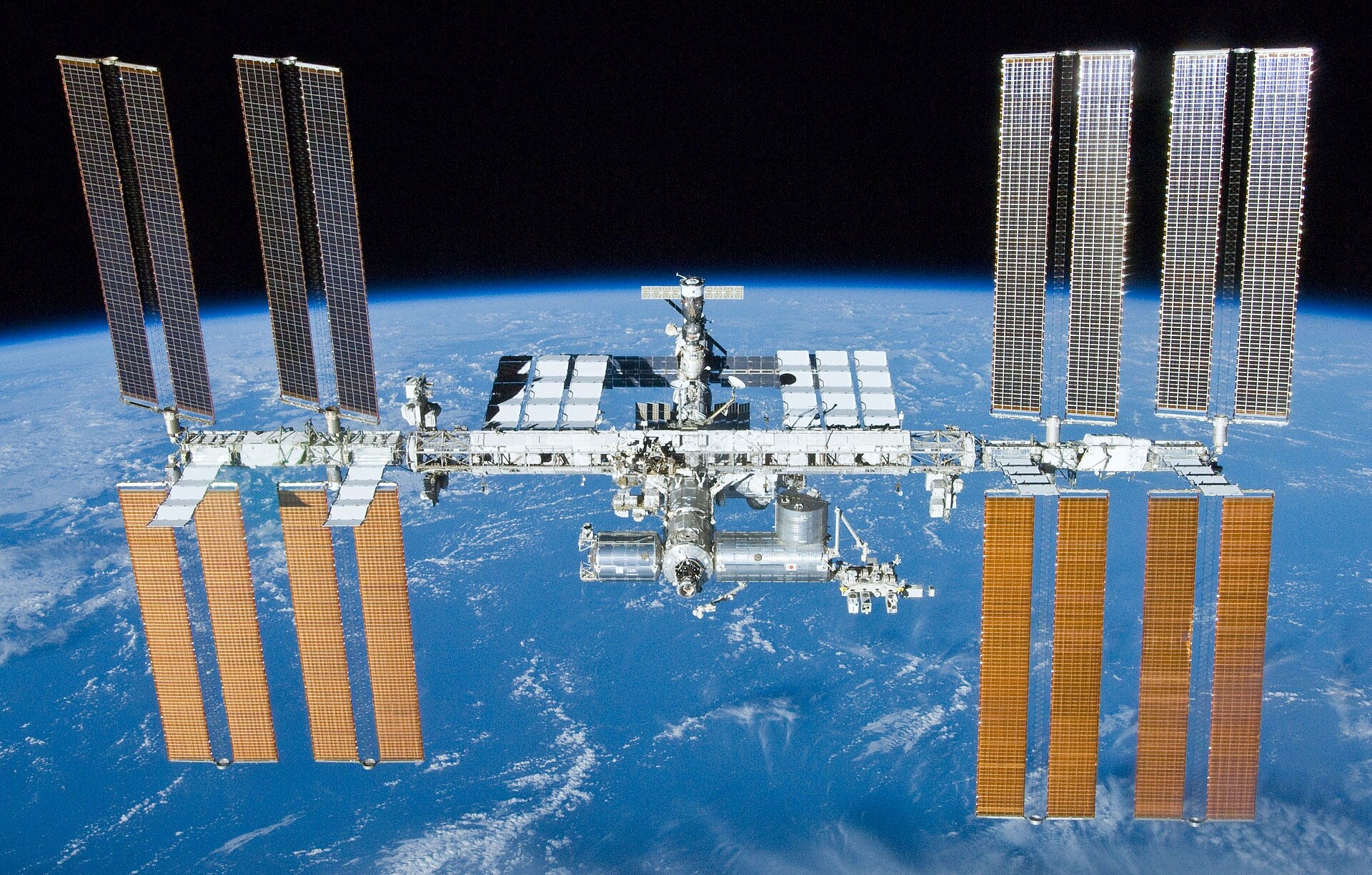
International Space Station — real photograph
International1998–

International Space Station

A laboratory the size of a football field, in orbit

Built piece by piece over more than 40 launches by 15 countries, the ISS has hosted humans continuously since November 2000 — meaning for your entire life, there has always been someone living in space. It circles Earth every ~90 minutes at 28,000 km/h.

Altitude
~400 km
Speed
28,000 km/h
Sunrises per day
16
Crewed since
Nov 2000
James Webb Space Telescope — real photograph
NASA2021–

James Webb Space Telescope

A golden eye looking back in time

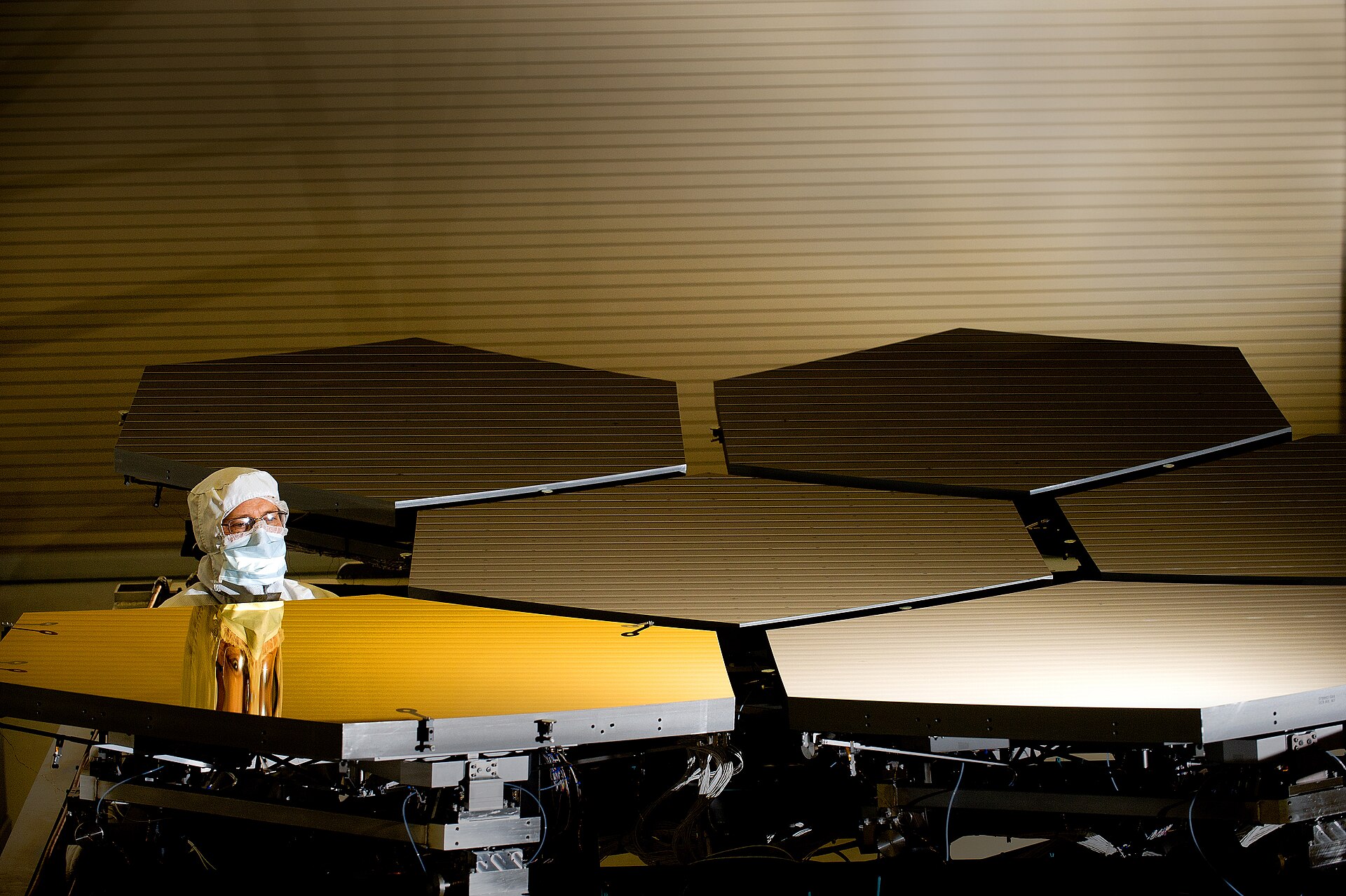
JWST's 6.5-metre mirror — 18 gold-coated hexagons — unfolded in space like origami, 1.5 million km from Earth. Because light takes time to travel, Webb sees galaxies as they were over 13 billion years ago, close to the beginning of the universe.

Mirror
6.5 m, 18 segments
Distance
1.5 million km (L2)
Sunshield
Size of a tennis court
Sees
Infrared — heat-light
Perseverance & Ingenuity — real photograph
NASA2021–

Perseverance & Ingenuity

A rover and the first helicopter on Mars

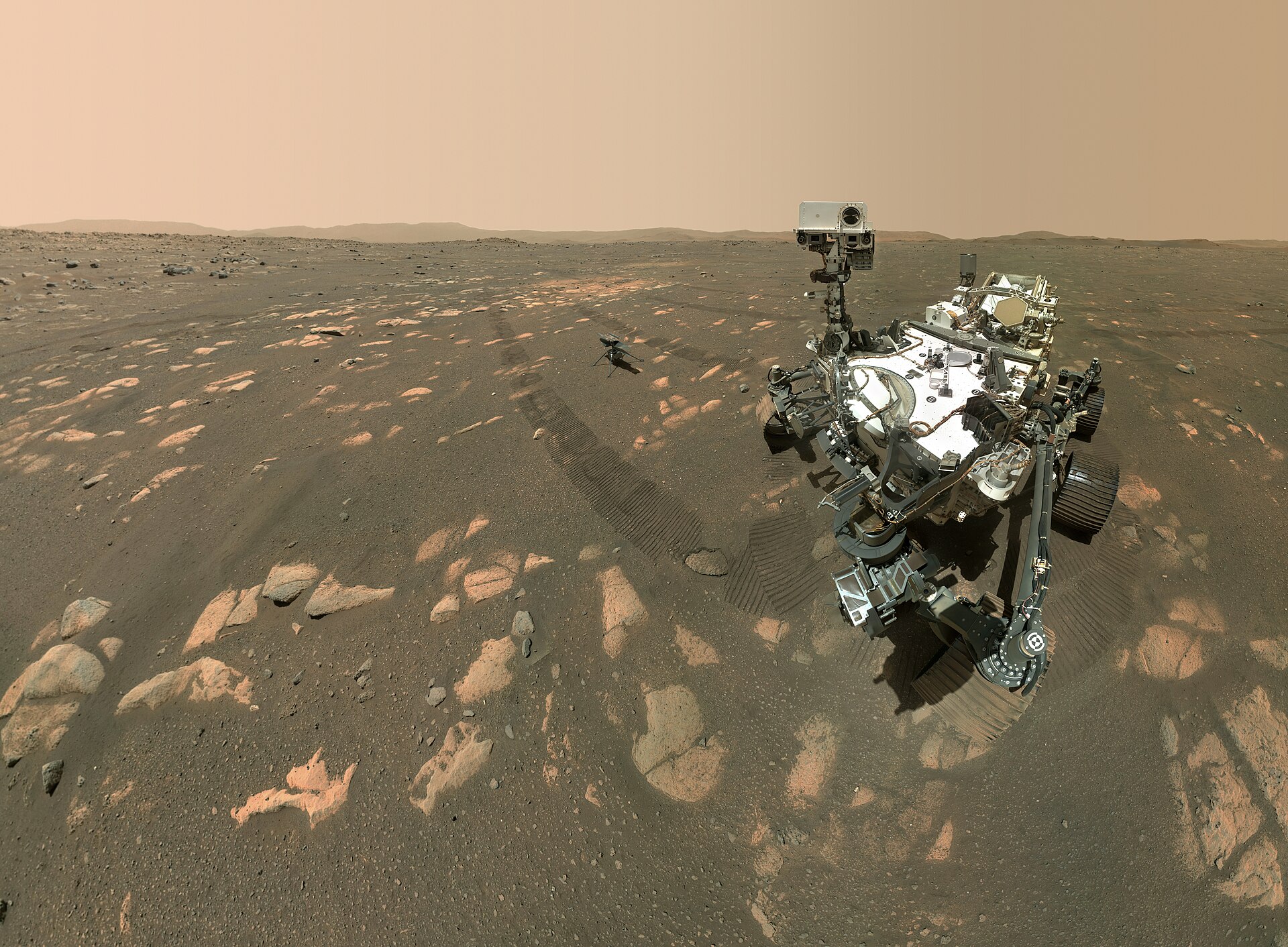
Perseverance landed in Jezero Crater — an ancient dried-up lake — using a rocket-powered 'sky crane'. It carried a stowaway: Ingenuity, a 1.8 kg helicopter that made the first powered flight on another world and went on to fly 72 times instead of the planned 5.

Landing
Feb 2021, Jezero Crater
Ingenuity flights
72
Collecting
Rock samples for return
Mars air
100× thinner than Earth's
image docking soon
ISRO2014

Mangalyaan (MOM)

India reaches Mars on the first try

More than half of all Mars missions in history have failed. In September 2014, India's Mars Orbiter Mission slipped perfectly into Mars orbit — making India the first country ever to succeed on its very first attempt, on a famously small budget.

Launch
PSLV, Nov 2013
Mars arrival
24 Sep 2014
First-try success
World first
Orbited Mars for
~8 years
image docking soon
NASA1977–

Voyager 1 & 2

The farthest travellers in human history

Launched in 1977, the twin Voyagers toured Jupiter, Saturn, Uranus and Neptune, then just kept going. Voyager 1 is now in interstellar space, more than 24 billion km away, still whispering data home. Each carries a Golden Record with music and greetings from Earth — including a greeting in Hindi.

Launched
1977
Distance
24+ billion km
Signal travel time
22+ hours
Carries
The Golden Record
image docking soon
NASA2022–

Artemis

Humans return to the Moon

Artemis I flew an uncrewed Orion capsule around the Moon in 2022 on the giant SLS rocket. The plan: Artemis missions will land the first astronauts on the Moon since 1972 — this time near the south pole, aiming to build a long-term base. Maybe someone your age will be among the first Mars explorers.

Artemis I
Around the Moon, 2022
Rocket
SLS — 98 m
Target
Lunar south pole
Lander
Starship HLS